
The Too-Typical Story of Abuse
Article by Christine Crawford
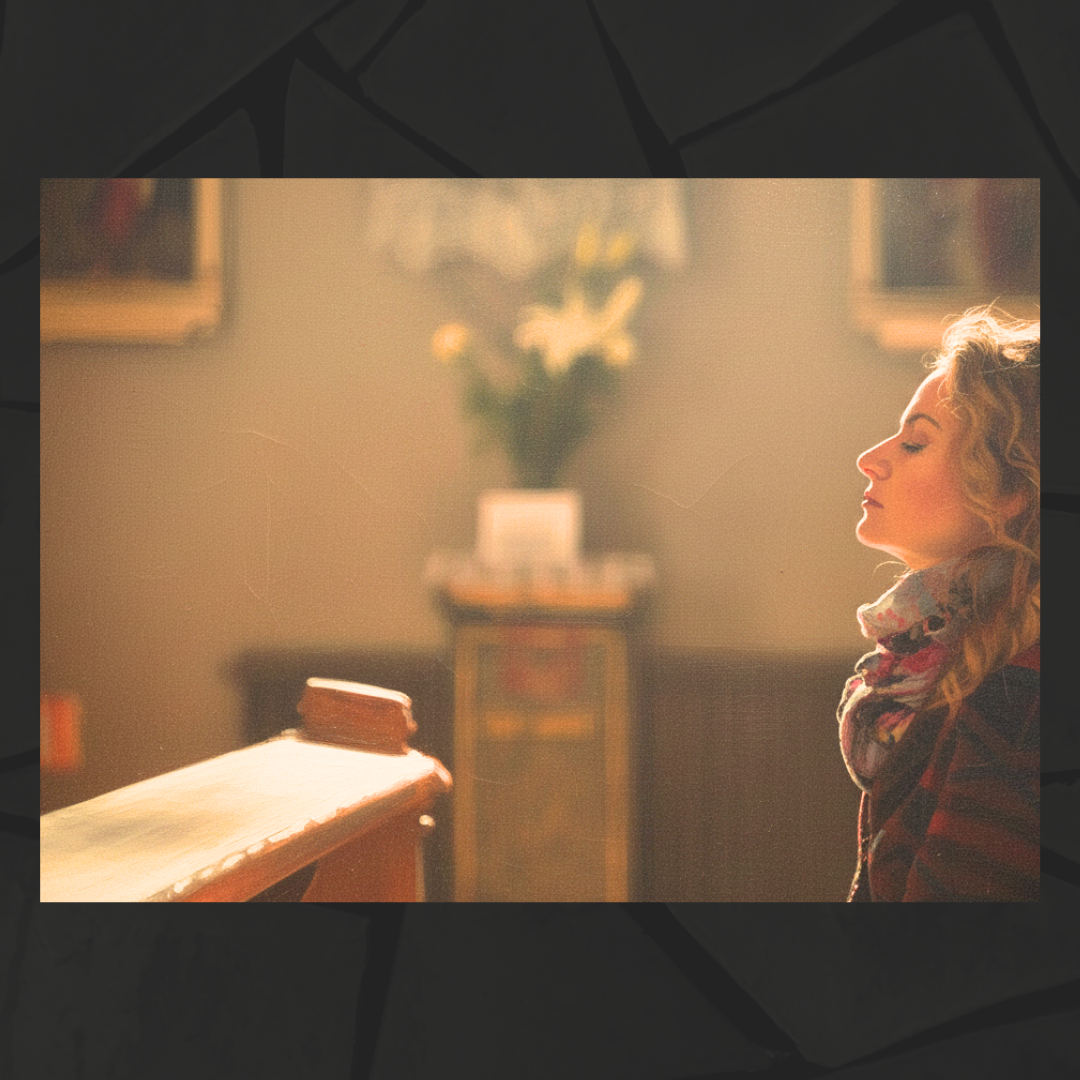
Previously published as part two of a four-part series in The Estuary, examining the relationship between abusive marriages and flawed gender theology in the church.
Please note: This is a figurative story compiled by Christian women’s actual experiences and may be difficult for some to read. Since one in three Christian women encounters intimate partner violence, however, understanding their lived experiences is crucial, especially since the misunderstanding and misapplication of scripture often contribute to and perpetuate their abuse.
Imagine a woman you deeply care about—perhaps a friend, sister, or daughter—who falls deeply in love, joyfully plans her wedding, and ties the knot with the love of her life. (For the sake of this story, we will call her Sarah and him Rick.) Three years into the marriage, Sarah confides in you that her relationship with Rick “feels really hard and lonely.” You notice dark circles under her eyes and worry about her increasing isolation.
Your concerns prove valid. Sarah’s marriage goes beyond “hard and lonely,” and when she finally gets desperate enough, she reaches out to an older woman at church for guidance. The woman assures Sarah that “God uses marriage to refine us.” She prods Sarah to determine how she aggravates Rick and gives her a book about the value of a praying and submissive wife. She also promises that if Sarah just prays hard enough, submits well enough, serves Rick faithfully enough, and trusts God enough, God will miraculously change her husband’s heart. Hence, Sarah spends another eight years praying her heart out and striving to appease Rick, all while blaming herself and a perceived deficiency in her faith or character for the problems in their marriage. In the meantime, Rick’s destructive behavior remains unchecked. The pattern continues, and the relationship further deteriorates.
When their marriage inexorably hits another crisis point, Sarah reaches out to her church for help, and an associate pastor grants her an audience. When she enters his tidy office, he seats Sarah in front of a large plate-glass window bordering the busy hallway traveled by church staff, explaining that she must remain in view for propriety purposes. Sarah burrows deeper into her baggy cardigan, suddenly feeling vaguely dirty and guilty for requesting the meeting. Shame heats her cheeks as she pours her heart, soul, and tears out on full display for anyone walking by. Her anguish compels her forward, though, and with tissues twisting in her trembling hands, Sarah shares her concerns about Rick’s excessive drinking and terrifying temper. The pastor listens for a while, then announces he must now meet with Rick “to get his side of the story” and then with them as a couple. When Sarah expresses anxiety about Rick’s reaction to discovering she has discussed their marriage with someone else, the pastor tells her he deems it “inappropriate” for him to keep this from her husband or to continue to counsel her alone. Though terrified of Rick’s wrath, she consents out of desperation for healing and change.
“Her anguish compels her forward, and with tissues twisting in her trembling hands, Sarah shares her concerns about Rick’s excessive drinking and terrifying temper.” - Christine Crawford
When Rick receives the pastor’s meeting request, he politely accepts and appears cooperative. But when he hangs up the phone, he erupts in fury and spits, “How dare you air our dirty laundry,” at Sarah. Despite his callous reaction, Sarah feels grateful Rick is going at all and hopeful this might finally bring some relief. But on the morning he leaves for his appointment, Rick swipes the coffee mug Sarah offers him out of her hands and hisses, “Too bad you put me in a position to have to go talk bad about you,” before slamming the door. That night, her hope falters when Rick no-shows for dinner and sends Sarah’s worried calls to voicemail. When she finally hears his boots stomping and staggering up the porch steps near midnight, Sarah scampers to their room, where she curls into a ball on her side of the bed and lies very, very still.
For the next two weeks, Rick refuses to discuss the appointment at all, only speaking to Sarah when necessary and using a mockingly polite tone. Even so, she feels optimistic about their future and prays their joint meeting with the pastor will nudge them back on track. But when they finally arrive for their appointment, Sarah learns that Rick spent most of his private session discrediting her and assuring the pastor he “treats her perfectly.” Framing her as the control freak, Rick accuses Sarah of “acting stingy with sex,” “always sulking around,” and “refusing to show proper respect.” Sympathetic to Rick’s complaints, the pastor then spends most of the session pontificating about how men need sex and deserve respect, then gives them a book about that to “read together.” Assigning Sarah primary responsibility for their marital woes, the pastor counsels her to communicate more respectfully and meet Rick’s sexual needs more regularly and enthusiastically. He advises her to “stop nagging” and bringing up Rick’s “imperfections and personality quirks.” He admonishes her for trying to “play Holy Spirit” in her husband’s life by trying to convict him toward change and encourages her to “petition God alone.” As an afterthought, the pastor suggests Rick demonstrate more patience and “stop joking so much” with Sarah. Rick’s hard-heartedness, drunkenness, and rage go unaddressed.
Having successfully controlled the narrative and protected the public perception, Rick refuses to return for any more counseling. So, Sarah, committed to doing her part, dutifully reads the book and highlights all she hopes to implement. She then turns it over to Rick, where it gathers dust on his nightstand. And for the next six years, Sarah moderates her communication and sobs in the bathroom after sex while Rick changes nothing and blames his unkindness on her imperfect tone and phrasing. Again, the pattern persists, but now the dynamic escalates because power without responsibility and authority without accountability follow a natural trajectory.
“Power without responsibility and authority without accountability follow a natural trajectory.”
- Christine Crawford
Finally, on the verge of emotional collapse, Sarah returns and informs the pastor that the dynamics have worsened, and she doesn’t think she can continue the relationship. In addition to Rick’s ongoing drunkenness and cruelty, she now suspects adultery. She recounts how Rick spends several nights a week away from home, claiming work obligations, and leaves her alone nearly every weekend to go drinking with his buddies. She has noticed unusual charges on their credit card statements and that he changed the passwords on all his devices. The constant bullying for sex has thankfully stopped, but Rick’s rage and contempt have intensified, and Sarah worries for their children. The pastor calmly condescends that God purposed marriage for her holiness, not her happiness. He suggests Sarah regain Rick’s “affection” by dressing up, flirting, and “attuning to him sexually.” When Sarah balks, he opens the Bible, enlightens her that God hates divorce, and labels her an adulteress. He chides that “for better or worse” vows an unconditional covenant and equates walking away from her husband with rebelling against God. Again, Sarah trudges home laden and dejected, and Rick remains absolved and unaccountable.
Eight months later, Sarah insists she can’t stay. She tries to explain the physical and emotional toll the marriage is taking on her and the kids. This time, the lead pastor joins the counseling session, listens with narrowed eyes for less than ten minutes, then trounces. He warns Sarah that she risks her and her children’s souls if she dares to leave. Accused of “forsaking faith” and “giving the devil a foothold,” he declares Sarah’s marriage her “thorn of humility” and “holy cross to bear.” He guarantees Sarah heavenly rewards for her suffering if she stays, but threatens eternal damnation for her “wickedness” if she leaves. He insists she must “bear this persecution for righteousness’ sake.” He hammers at her about bitterness and unforgiveness, scolding her into praying for repentance.
“The pastor calmly condescends that God purposed marriage for her holiness, not her happiness.”
- Christine Crawford
Sarah goes home anxious to salvage things again, but the weight of Rick’s rage, disdain, and entitlement eventually overwhelms her. She gets sick. She stops sleeping. She starts having panic attacks and losing her hair. Hopeless and depleted, Sarah arrives at an inevitable breaking point. When she discovers Rick sleeping with a loaded gun beneath his pillow, Sarah finally braves the devastating decision to divorce him for the sake of her (and her children’s) safety and sanity. Rick plays the innocent victim, friends scatter, and the church publicly shames and humiliates Sarah, casting her out of fellowship. Consequently, she grapples with her faith, fearful God now hates her and will abandon her like everyone else. Despondent and deserted by the very people who should have advocated for her well-being, Sarah shambles toward healing alone.
Sarah’s church and pastors failed her, and the church subsidized her suffering. As relationship expert Bob Hamp explains, “When an abuse victim is instructed to ‘make it right by working on their part,’ it lends fuel to the abuser's accusations, and it creates one more environment where the victim becomes clear they are not safe and will not be protected. Often this ‘secondary abuse’ is just as damaging as the primary abuse.” By heaping responsibility for the divorce on Sarah’s already overburdened shoulders, her pastors compounded spiritual abuse atop Rick’s ongoing emotional and sexual abuse, further enabling him and revictimizing her.
The church is tasked with being the hands and feet of Christ in a hurting world. When women are made to feel responsible for Hamp considers it inappropriate and unbiblical for members of the faith community to counsel women to assume any responsibility for their husband’s sin or submit themselves to a dangerous dynamic. He insists the wife’s safety must take precedence in abusive dynamics, and she should be counseled to stop absorbing the responsibility for his abuse. Concurrently, her husband needs a supportive framework that will provide accountability so that he can start taking responsibility for his own behavior. When pastors heap even partial responsibility onto a victim, it justifies their abuser’s accusations, and the pastoral/counseling space becomes another unsafe and traumatizing environment.
If faith communities endeavor to protect the vulnerable and pastors wish to respond more redemptively to women trapped in abusive dynamics, they need to shift their approach. By thinking differently about the definition and dynamics of abuse, pastors can protect the vulnerable and shift the ethos toward maintaining God-honoring marriages.
Additional Articles on Abuse

How Should Pastors Think Differently About Abuse? by Christine M. Crawford | Published in Lifeway Research
By learning to think differently about abuse, pastors can equip themselves to better identify harmful dynamics and care for hurting people.

The Data on the Damage Done by Christine M. Crawford | Published in The Estuary
How (and why) do so many churches and pastors retraumatize abused women when they reach out for help? I conducted my own informal research, and here's what I discovered.

Seven Helpful and Healing Resources for Hurting Women by Christine M. Crawford | Published in The Estuary
Whether you're in a painful relationship or walking alongside someone who is, these seven resources can provide clarity and hope.
Need additional resources or support?
Visit the Draw Near Dwell Well page and/or download this free guide for a comprehensive list of trusted relational resources:

About the author
Christine Crawford
Christine is a published poet, dignity defender, and an unabashed theology geek with a heart for the vulnerable. She holds 1.5 master's degrees from Dallas Theological Seminary and loves to help people explore God's upside-down kingdom through art, story, and humor. You'll find Christine on the porch of her creekside cabin with her two dogs (one sinner, one saint), savoring anything involving music, laughter, nature, or words.