
Story by Christine Crawford
How It Accidentally Started
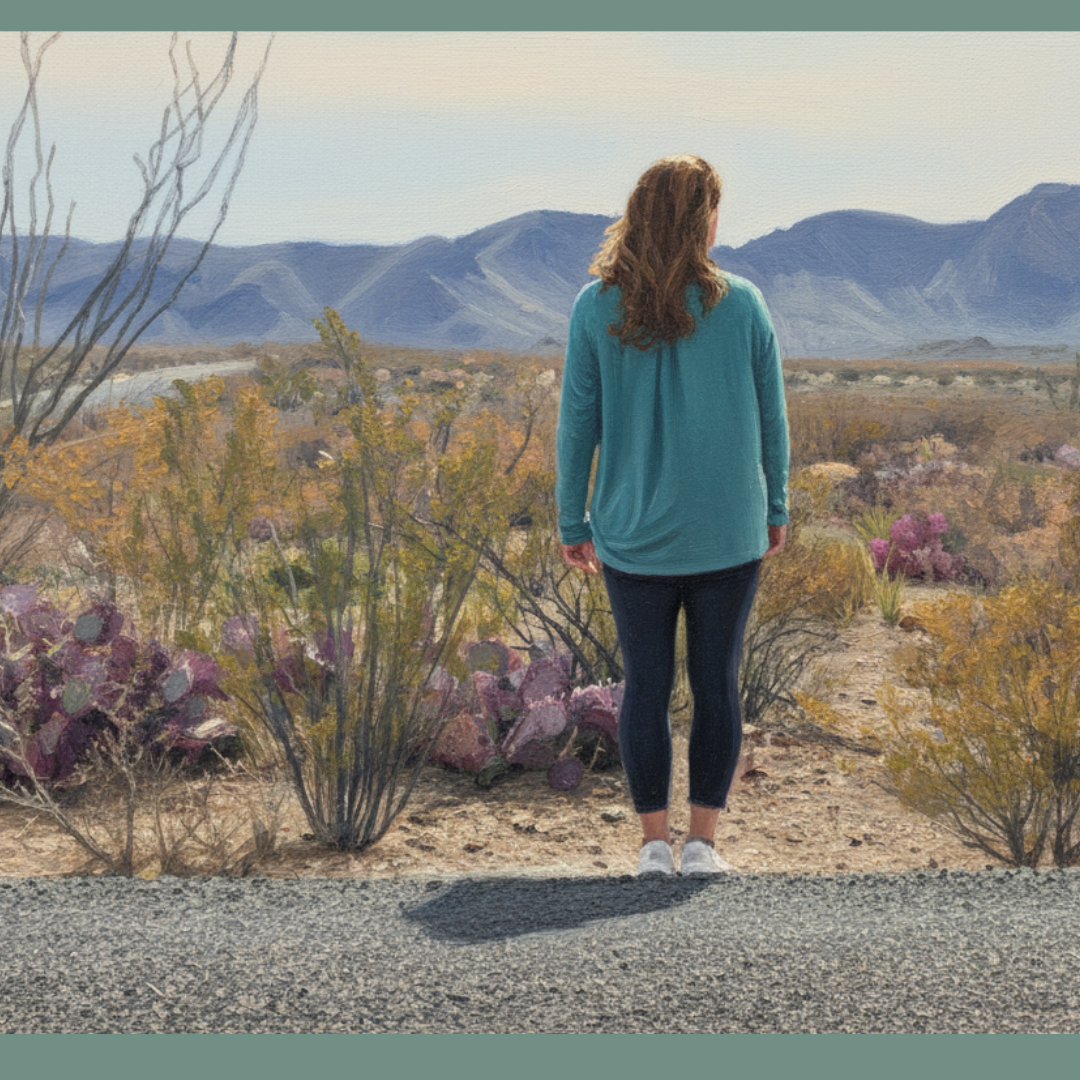
I was in the throes of grief from the unwanted end of my nearly twenty-year marriage when my friend Ashley recommended I go on a "silent retreat." I had never even heard the term before, much less braved such a practice. The only retreat-based silence I'd ever experienced was at women's or writers' retreats when they told us to wander off into the woods for an hour and then come back to the group. That didn't seem to be what Ashley was describing, however—or what God seemed to be prescribing. So after a lot of prayer and planning (and because I lack any chill and always operate with a "go big or go home" mentality), I did what any reasonable person would do: I wandered off into the desert for three whole days. Completely and utterly alone. In complete and utter silence.
DISCLAIMER: If you're new to silence and solitude, maybe don't do what I did. A 3-day solo silent retreat is not dipping into the shallow end—or even diving into the deep end—of the spiritual practice pool. It's more like cannonballing into the ocean. Or in my case, the desert.
I chose the Big Bend area of West Texas because I had mostly happy memories from a chunk of my childhood spent there. I was familiar—even smitten—with the vast, wild, rugged landscape: the jagged mountains rising against endless sky, the desert floor dotted with creosote and ocotillo, the Rio Grande carving its brazen path through limestone canyons. Plus: starry nights, solo hikes, all the nature-gazing I could handle. What could be better?
So you might be surprised to learn I started panicking on the drive there. Because somewhere on that long stretch of highway, it hit me: God was asking me to surrender my favorite coping mechanisms. All of them. To be alone in the desert with Him and my grief.
CONFESSION: The main reason I said yes to this retreat was because I was in the "bargaining stage" of grief. There was a part of me that believed that if I could just survive this intense experience, I could force God to fast-track my healing. (Morgan Freeman Narrating: It did not fast-track her healing. God cannot be bargained with. Grief cannot be rushed.)
Five Stars for I-10
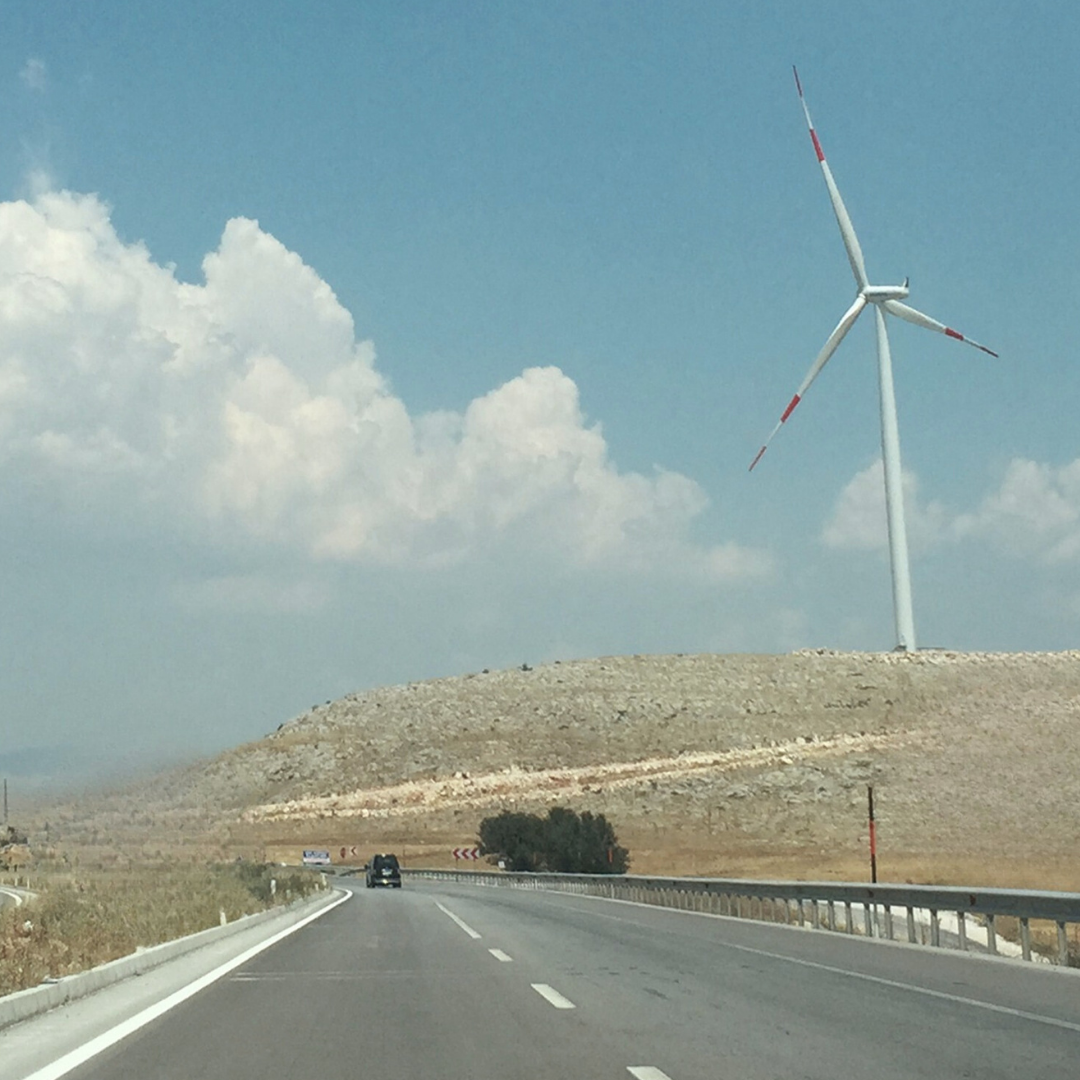
Here's what I discovered: It's a long drive from Central Texas to far West Texas. And I-10 is a very straight, monotonous, mind-numbing road—which makes it a really great place to scream in your car.
If you haven't tried Car Screaming, I highly recommend it. Five stars. And I'm not talking about a polite little frustrated whimper-yelling. I'm talking about fully feral two-year-old temper tantrum rage screaming. It's cathartic, therapeutic, and even holy, I promise.
CONTEXT: I've spent hundreds of hours in post-trauma therapy soothing my frazzled nervous system and convincing it that we no longer need to live in perpetual fight-or-flight mode to stay safe. I have learned to notice when anxiety starts building — like it was in my Subaru on I-10 — and find a way to discharge it somehow. Therapists and practitioners recommend things like going for a brisk walk, shaking it out with some aggressive dancing, or screaming your head off in a safe place. A near-empty highway is perhaps not a suitable setting for roadside walking or dancing, but it serves nicely for car screaming.
My anxiety was mounting in my car because I knew my grief was waiting for me in the desert. The closer I got, the tighter my chest felt, the faster my heart raced. All that pent-up energy, anxiety, and heartbreak from the years I endured harm in the name of "love" (and being told I wasn't allowed to be angry about it) needed out. And that day, it preferred to vent itself in rage. So I pressure-released it in screeching, wild-animal-esque noises across miles of empty West Texas highway. Honestly, I think liberating my angst and rage on that long drive was necessary because when I finally got to Big Bend, I was empty enough to actually listen.
So I did.
A Quick Bible Lesson

Art by Sofia Rector
There's a powerful story in 1 Kings 19 that illustrates the importance of silence and solitude in the spiritual life and gives this ridiculous and humiliating story a point:
Elijah is a major prophet in the Old Testament who did some amazing work for God. But some bad guys got really mad at him for it, and despite all God had done in/through/for Elijah, Elijah got really scared about it. He ran off into the wilderness, afraid and depleted to the point of a nervous breakdown—literally suicidal.
But even though some might accuse Elijah of being a little extra or kinda chicken about the whole thing, when he wanders into the wilderness, God tends to him. He gives him shelter. Lets him sleep. Sends him snacks. And slowly, Elijah begins to revive and feels ready to hear from the Lord again. So he listens.
First, a powerful wind comes, and Elijah looks for God in it—but God's not there.
Then comes a tremendous earthquake, and he looks for God there—nope.
Then comes a raging fire—but still no God.
And when God finally does come, it is in a whisper.
Elijah would not have heard it if he weren't alone and willing to get still and listen closely.
Sure, sometimes God is in the wind, fire, and earthquake. Certainly, He is present in the crowd, chaos, and confusion of everyday life. But if we ever hope to hear God through the noise, we must first learn to listen in the silence.
“If we ever hope to hear God through the noise, we must first learn to listen in the silence.”
- Christine Crawford
What Happened in My Desert

You'll be glad to know the drive was the worst of it. Once I got there, I was distracted by the excitement of getting set up because the place I was staying was divine—exactly what I needed. Once I settled in and turned everything off, however, I definitely experienced a couple of hours of moderate-to-severe discomfort. But here's the thing: despite my mixed motives and inauspicious beginning, God met me there. And it was amazing. Frankly, I couldn't get enough.
For three days, I wandered along craggy bluffs by day and lounged around a crackling fire by night. I cried and prayed. Laughed and prayed. Hiked and prayed. Journaled and prayed. Repented. Forgave. Raged. Rested. Grieved. Prayed, prayed, prayed (all in silence, of course—think mime, not megaphone).
On the last night, I burned all my rage writing and lament letters—pages and pages of angry, honest, holy words I needed to get out but didn't need to hold onto. And on the last day—Ash Wednesday—I anointed my forehead with the sign of the cross from the ashes of my grief.
When it was time to turn the radio, phone, and the world back on? I didn't want to. The noise sounded like... well, noise. I found I liked the quiet company of God much, much more. I still do.
So what did God actually do?
Did He answer my ridiculously specific and demanding questions? No.
Did He give me shelter? Let me sleep and enjoy some snacks? Yes.
Did He tend to my wounds and whisper to my soul? Yes and amen.
Note that I use the term "wounds" intentionally. My friend Tracy once told me about a terrible injury she had—one that required constant debridement, which is the process of removing unhealthy or dead tissue so infection can't set in and healthy tissue can grow back. It's excruciating. The kind of pain that makes you want to quit, to give up, to stop showing up for the appointments. It takes weeks, sometimes months. You think it's done, and then you realize there's more dead tissue to remove, more cleaning to do, more healing required before new growth can happen.
Over this healing season, I've learned that grief—especially the relational variety—requires the same careful debridement. The wound is deep. Painful. Aching. Raw. It's tender to the touch and in need of constant cleansing through compassion (self and otherwise) and forgiveness (self and otherwise).
Grief will gut you for certain. But it's bitterness that will infect you. I refuse to spend the rest of my life with festering wounds, so I am committed to letting God cleanse and heal me, however painful the process.
“Grief will gut you for certain. But it's bitterness that will infect you. I refuse to spend the rest of my life with festering wounds, so I am committed to letting God cleanse and heal me, however painful the process.”
- Christine Crawford
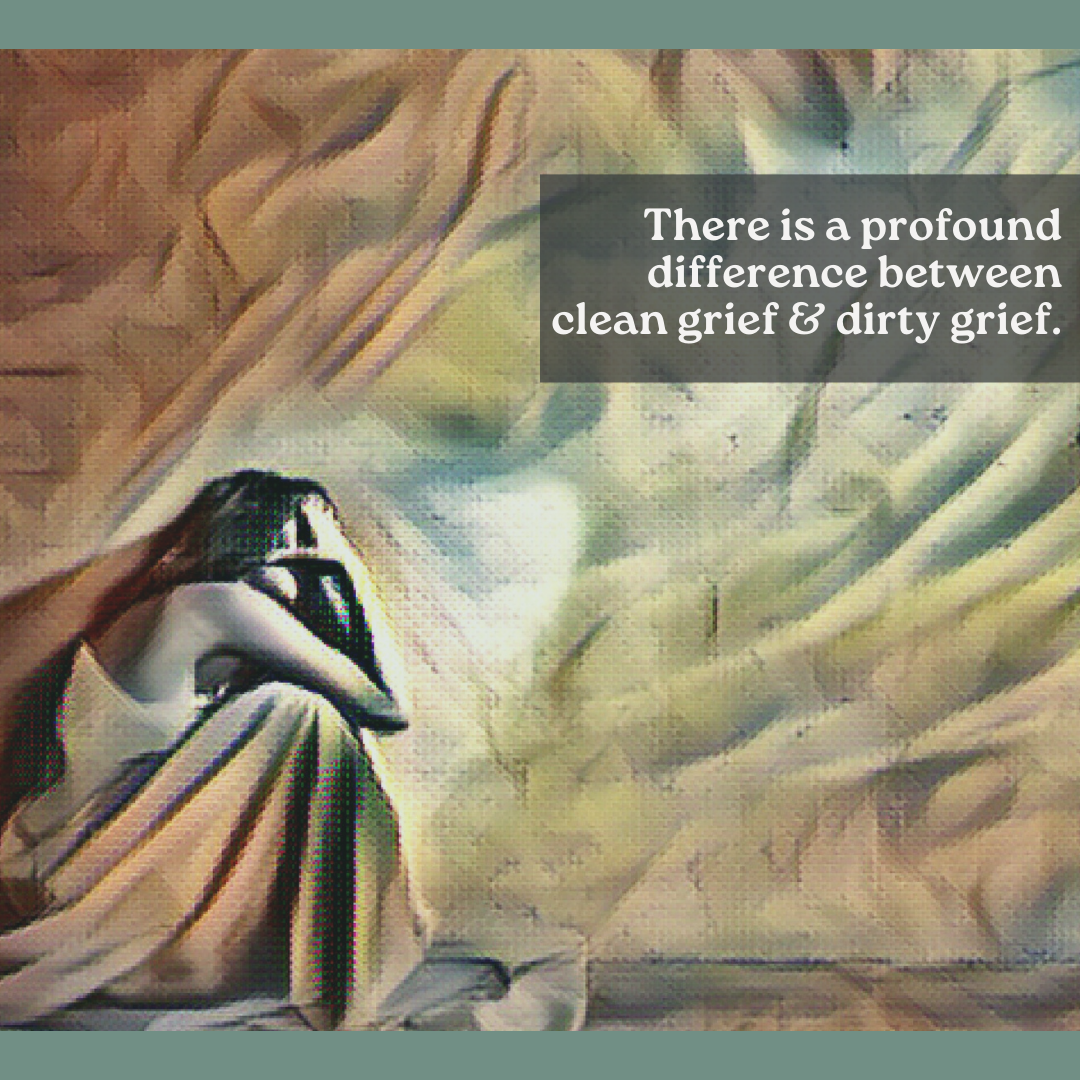
I have come to understand there is a profound difference between clean grief and dirty grief. All grief leaves a scar. Nothing can be done about that. But letting God tend to our wounds—especially in the painstaking work of sitting in silence, solitude, and surrender—is how we make sure grief doesn't poison us from the inside out. That's how we create space for Him to do what only He can do: remove what's dead, cleanse what's infected, and make room for new life to grow.
Being alone with God, being silent before God—that's where this sacred work happens. That's how we hear His voice speaking comfort over our wounds. That's how we receive the wisdom we need to steward our lives and loves in a way that glorifies His name instead of protecting our pain.
The Ongoing Invitation
I'd like to tell you I've practiced silence and solitude daily since then, but if you've met me, you know better. I practice at practicing them, though. Whether sitting, hiking, or otherwise, I spend time in purposeful solitude and silence fairly often. I go on at least one solo silent retreat every year, and I'm planning a mini-local one right after the first of the year to work through some new grief pressing against the old. And when I do practice it, it quiets me. Like the other spiritual practices we have been exploring this year, it helps me rest and recalibrate. Most of all, it helps me listen for (and to) God.
I'm not saying silence and solitude will fix everything. I'm not promising God will answer all your questions or that three days in the desert will heal decades of wounds. But I will tell you this: God loves it when we seek Him. And He delights in showing up.
Sometimes He does it in small ways—a whisper, a shift, a moment of peace you didn't expect.
Sometimes in big ways—revelation, release, a burden lifted you didn't know you could set down.
But always, He shows up because He's always present when we seek Him. Even—especially—when we come to Him exhausted, scared, and screaming.
“All grief leaves a scar. Nothing can be done about that. But letting God tend to our wounds—especially in the painstaking work of sitting in silence, solitude, and surrender—is how we make sure grief doesn't poison us from the inside out.” - Christine Crawford
So if you're hearing the invitation to silence and solitude, even if it terrifies you, even if you have no idea what you're doing—say yes. You don't have to go to Big Bend. You don't have to do three days. But find a quiet place. Turn everything off. And listen.
God is waiting for you there. In the whisper. In the silence. In the space you've been too afraid or too busy to enter. And when you get there—after you scream, after you rage, after you empty yourself out—He'll be waiting.
Just like He was for Elijah.
Just like He was for me.
Ready to explore silence and solitude for yourself? Listen to my conversation with soul care expert Andrew Ranucci!
Want more resources on spiritual practices like silence and solitude?
Download this free guide for a comprehensive list of trusted resources:

about the author
Christine Crawford
Christine is a published poet, dignity defender, and an unabashed theology geek with a heart for the vulnerable. She holds 1.5 master's degrees from Dallas Theological Seminary and loves to help people explore God's upside-down kingdom through art, story, and humor. You'll find Christine on the porch of her creekside cabin with her two dogs (one sinner, one saint), savoring anything involving music, laughter, nature, or words.